
Processes
Manufacturing Capabilities
Machine envelopes, dimensional tolerances, supported operations, and compatible materials, all in one reference.
CNC Machining
CNC machining is a precision subtractive process in which computer-controlled cutting tools remove material from a solid workpiece to produce finished parts. Our service covers three core capabilities: CNC milling, CNC turning, and cylindrical grinding. Common work includes shafts, gear blanks, pump and gearbox components, and production tooling.
CNC Milling
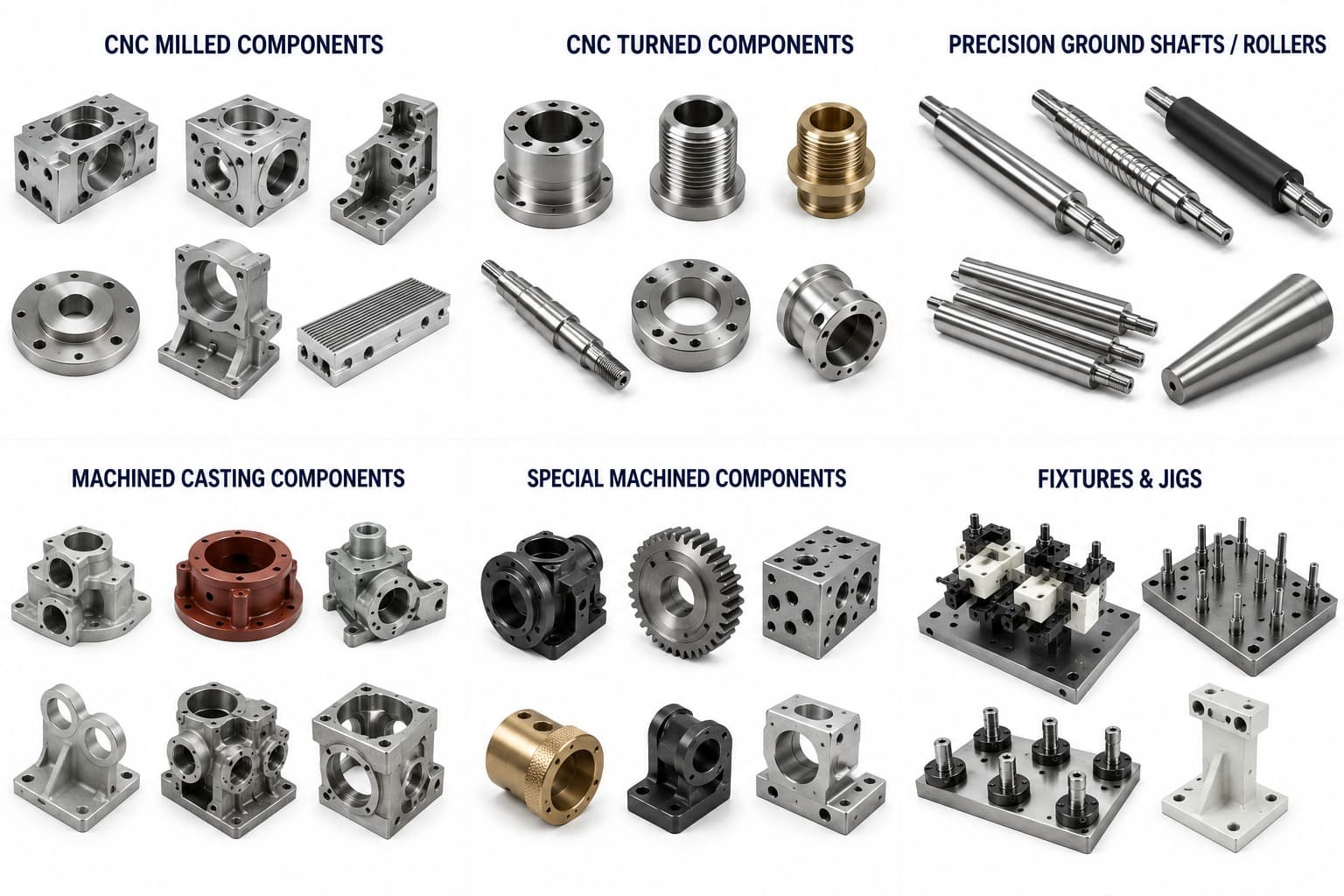
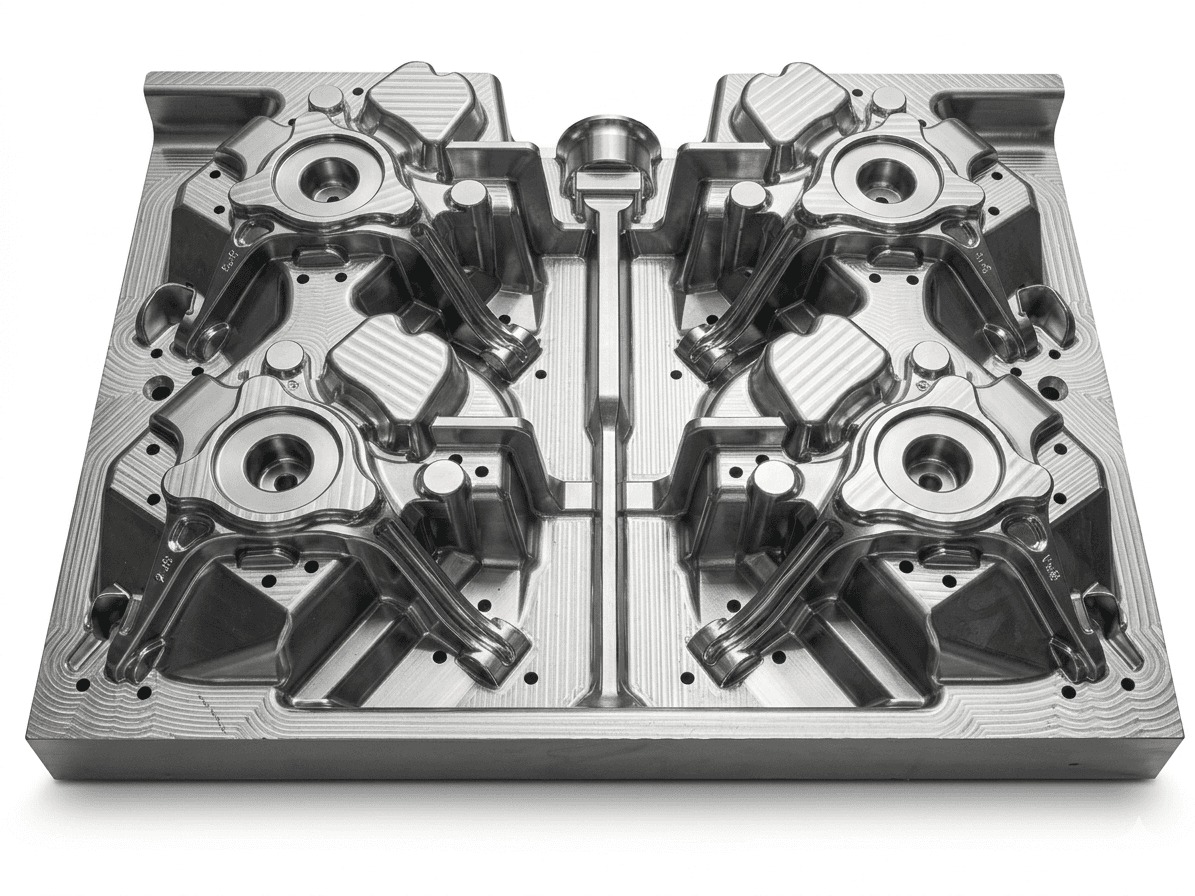
CNC milling removes material from a stationary workpiece using rotating cutting tools, producing flat surfaces, contours, slots, pockets, and drilled features. Our 3-axis vertical machining centre handles prismatic parts including plates, housings, brackets, and feature-rich engineering components.
Operations
CNC Turning
CNC turning rotates the workpiece against a fixed cutting tool to produce cylindrical and rotationally symmetric features. The process handles external diameters, internal bores, faces, tapers, threads, and grooves on parts up to 300 mm diameter and 2000 mm long. Typical work includes shafts, bushes, hubs, and threaded components.
Operations
Cylindrical Grinding
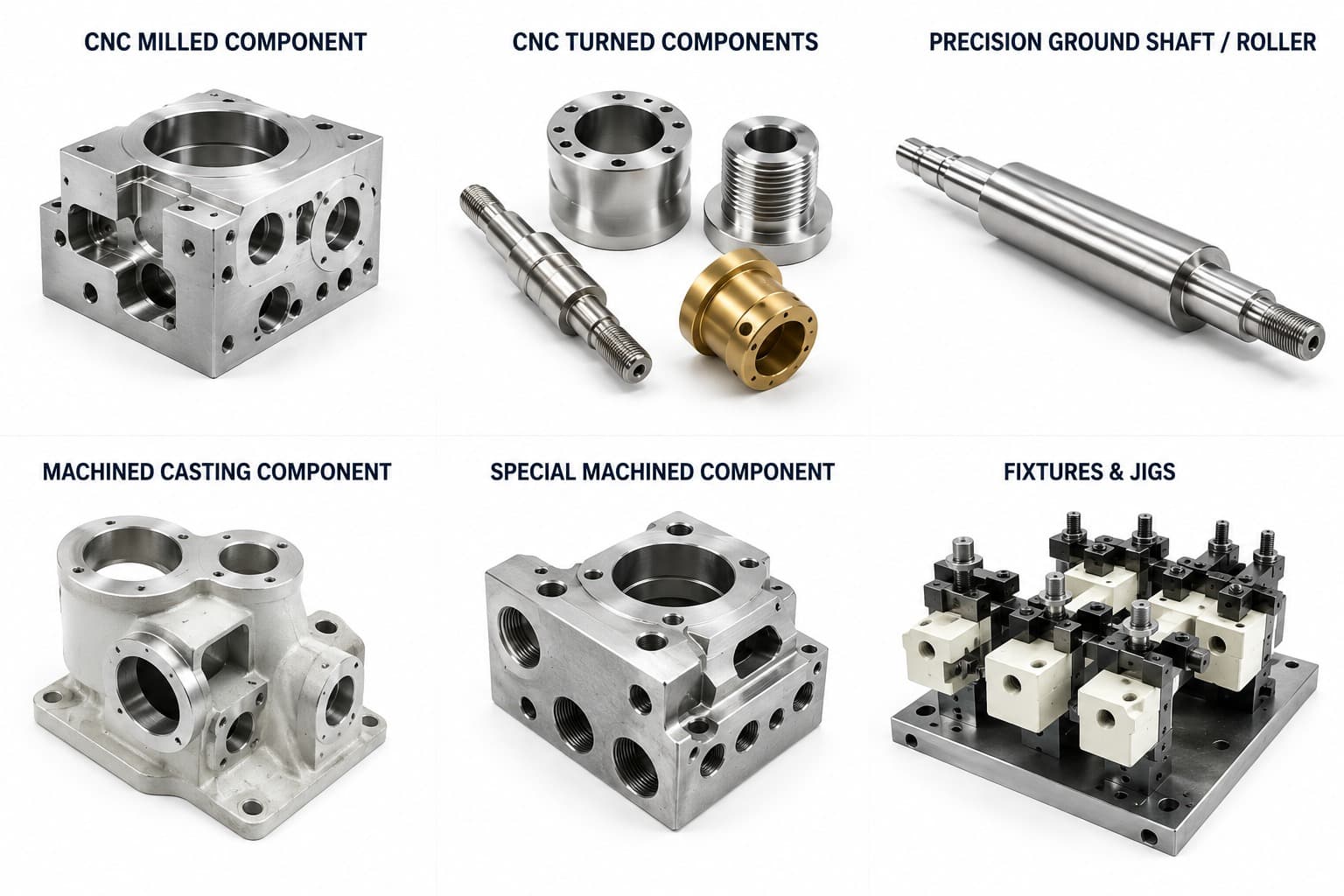
Cylindrical grinding uses an abrasive wheel to finish cylindrical surfaces to tighter tolerances and finer surface qualities than turning alone can achieve. The process is used as a finishing step on shafts, spindles, bearing journals, and other rotating components where running fit and surface quality are critical.
Compatible Materials
Sheet Metal Fabrication
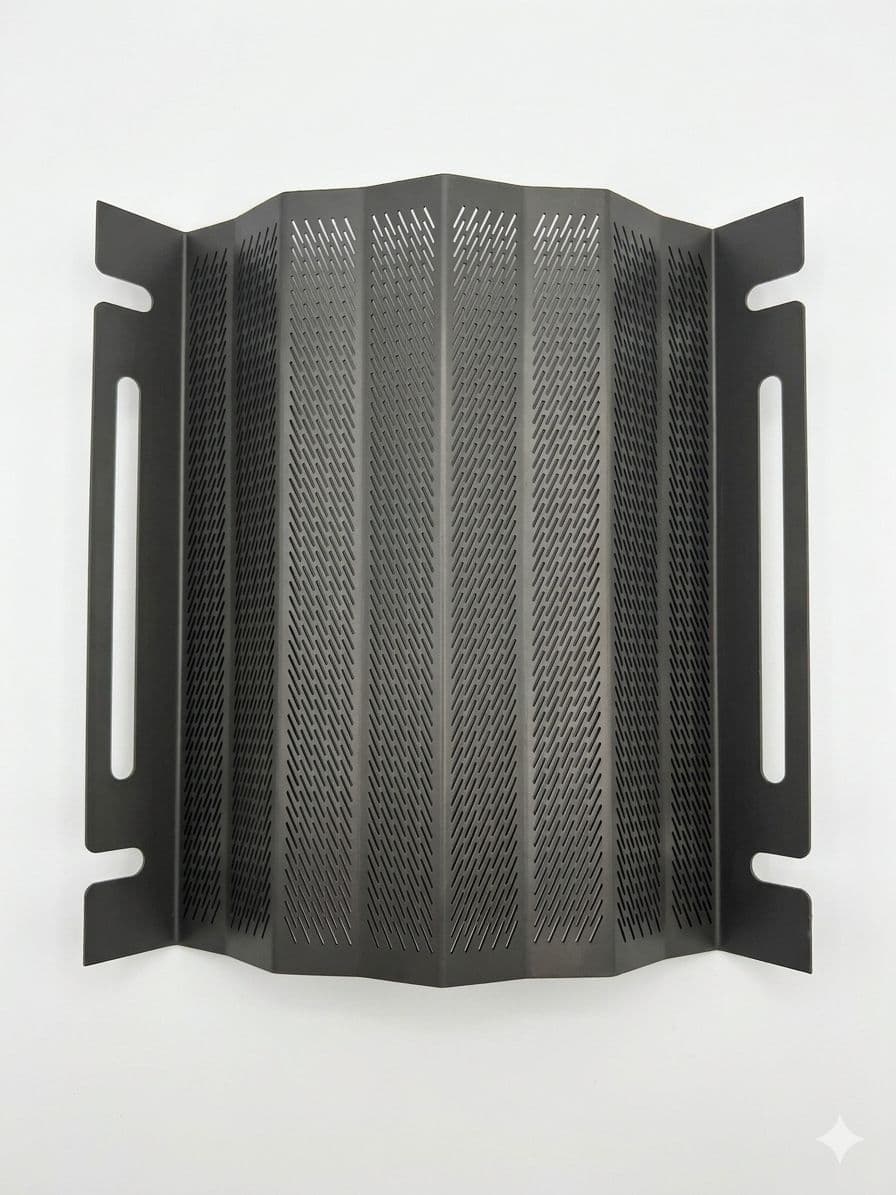
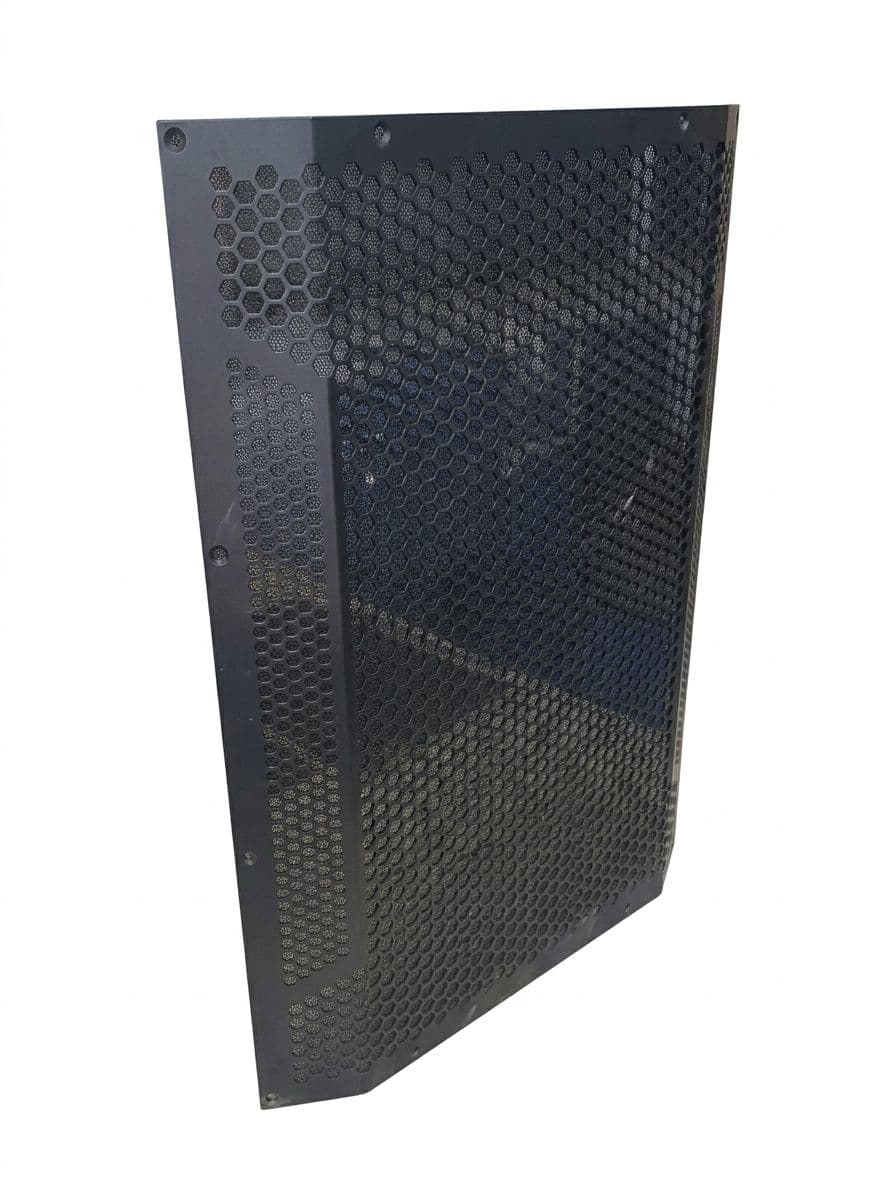
Sheet metal fabrication converts flat sheet and tube into finished parts through cutting, punching, forming, and bending operations. Our service is grouped into two clusters: cutting (flat sheet and tube) and bending (press-brake forming). Common output includes enclosures, brackets, frames, structural components, and tube assemblies.
Laser Cutting
Laser cutting uses a focused fibre laser beam to vaporise material along a programmed path. The process delivers clean cuts with a minimal heat-affected zone, precise contours, and tight repeatability across long production runs.
| Material | Max Thickness |
|---|---|
| Mild Steel | Up to 20 mm |
| Stainless Steel | Up to 16 mm |
| Aluminium | Up to 16 mm |
| Copper / Brass | Up to 6 mm |
Compatible Materials
CNC Punching
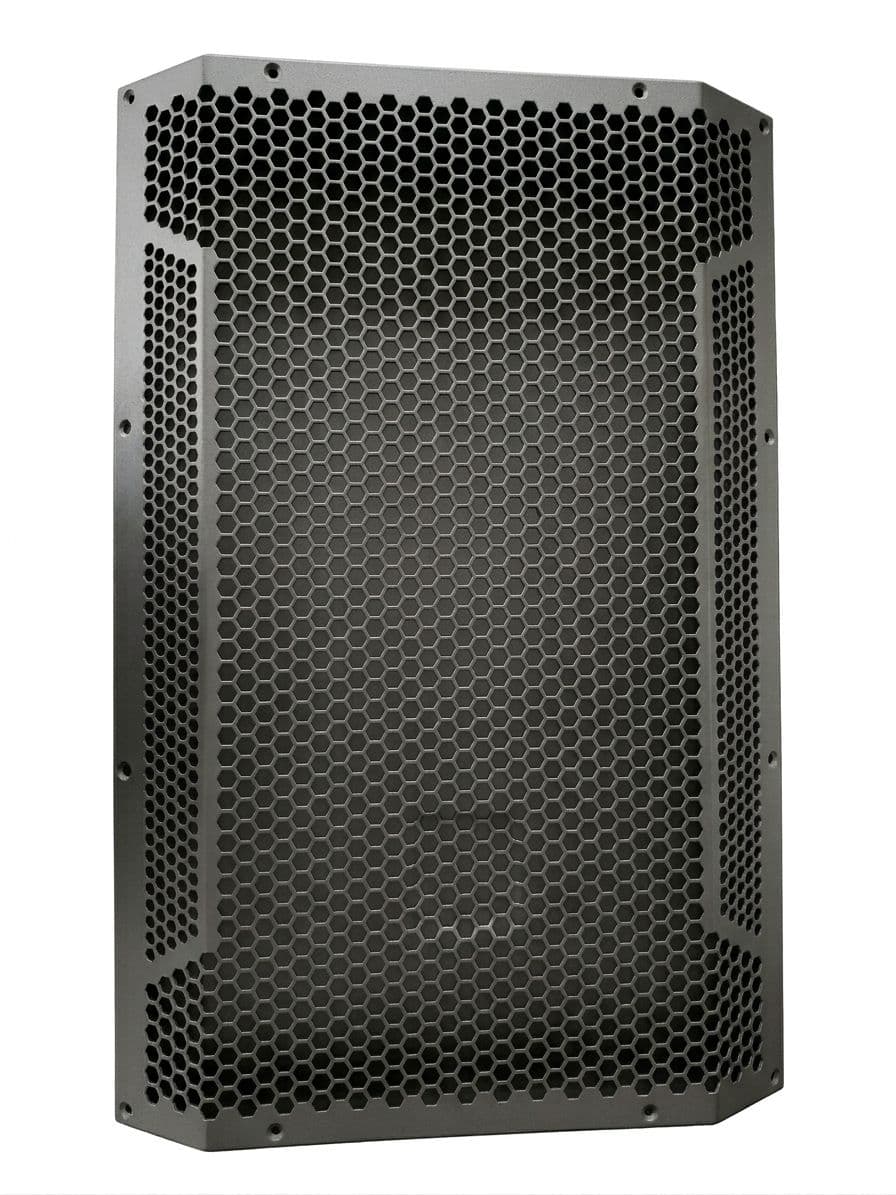
CNC turret punching uses a rotating tool head to punch, cut, and form sheet metal in a single setup. Beyond cutting, the process produces embossed features, countersinks, louvers, extruded flanges, and tapped holes, reducing the need for separate secondary operations.
| Material | Max Thickness |
|---|---|
| Mild Steel | Up to 4 mm |
| Stainless Steel | Up to 3 mm |
| Aluminium | Up to 6 mm |
| Copper | Up to 3 mm |
| Brass | Up to 3 mm |
Operations
Compatible Materials
Laser Tube Cutting
Laser tube cutting processes round, square, rectangular, and special profile sections across three diameter ranges: fine, regular, and heavy. The process delivers clean square, mitred, and contoured ends ready for welded or bolted tube assemblies.
Compatible Materials
CNC Bending
Our CNC bending performs air bending, bottom bending, hemming, box forming, and custom profiles up to 3100 mm long. Tightly controlled angle and dimensional repeatability make the press suitable for both prototype work and series production.
Operations
Compatible Materials
Metal 3D Printing
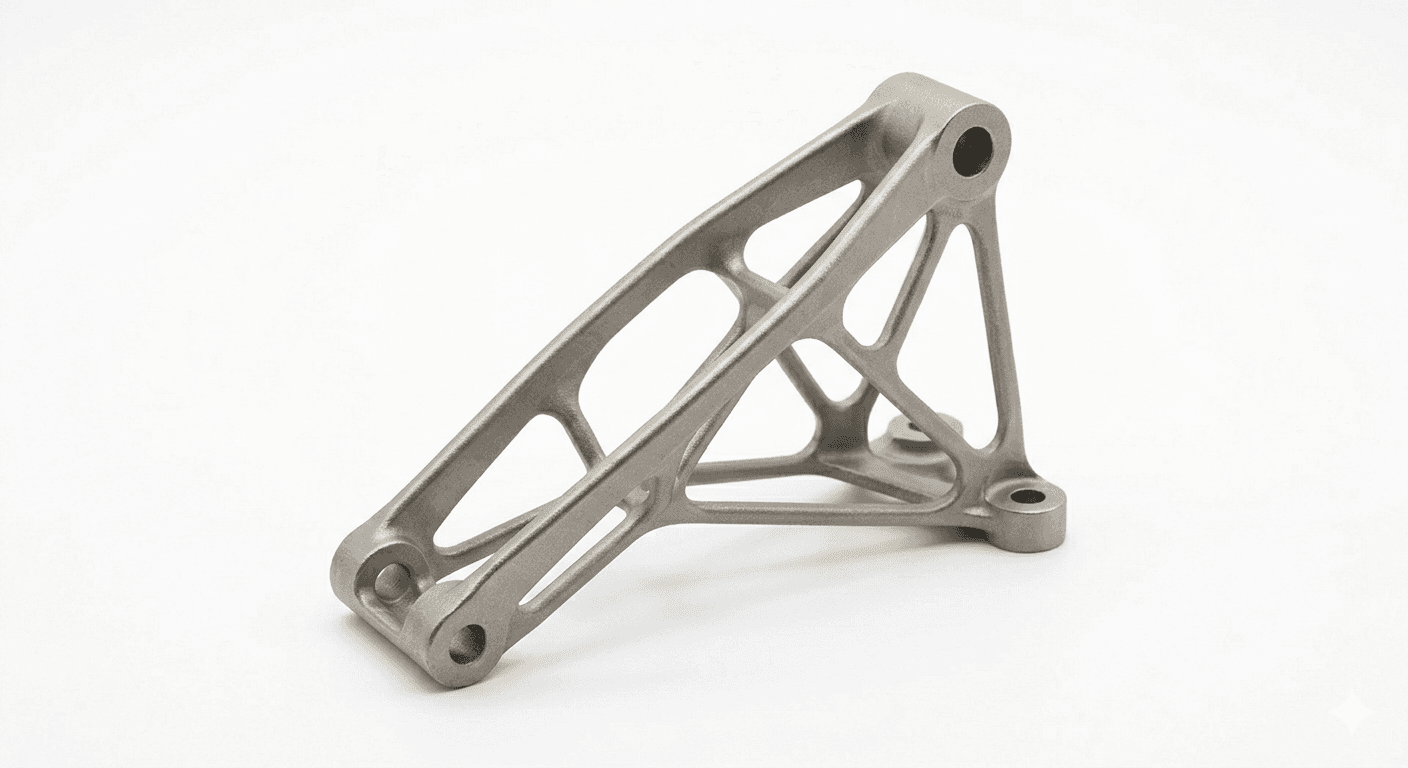
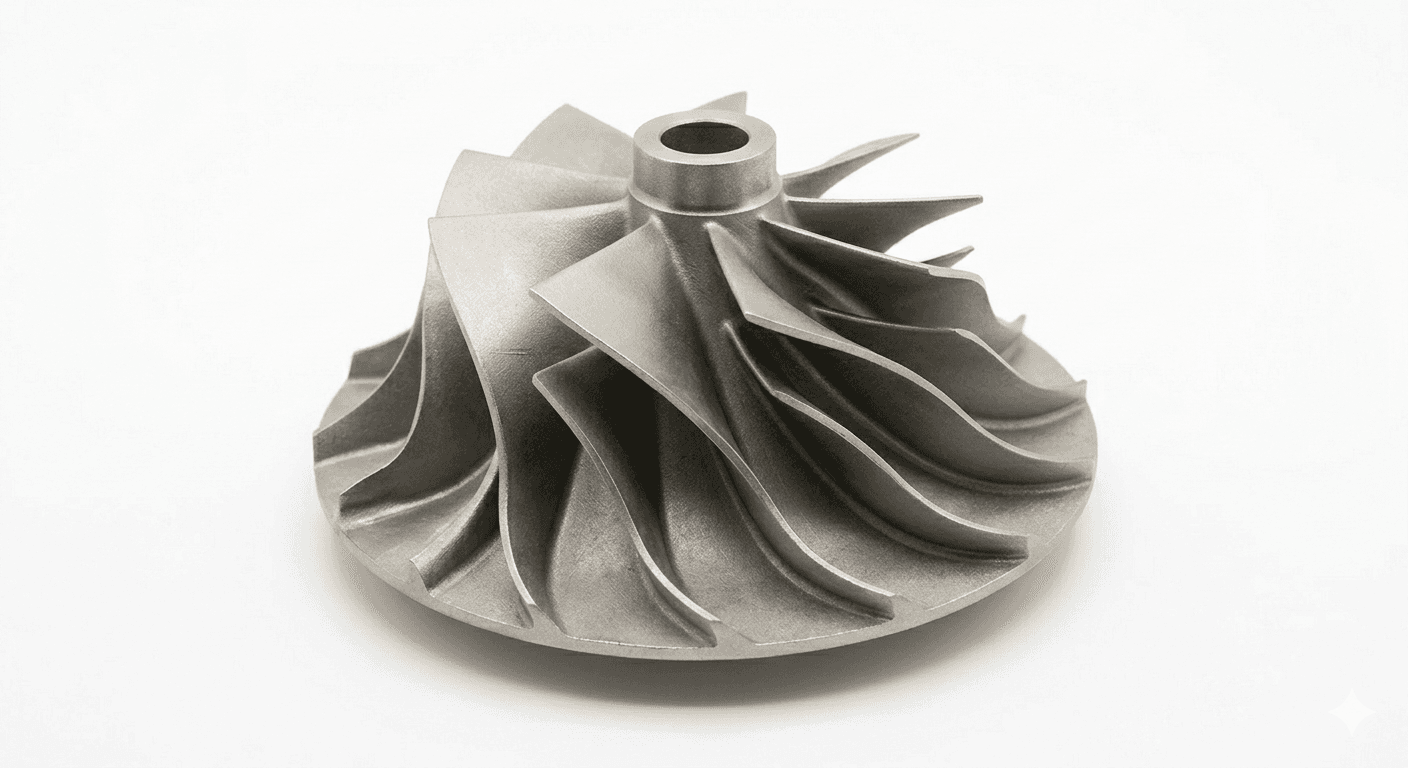
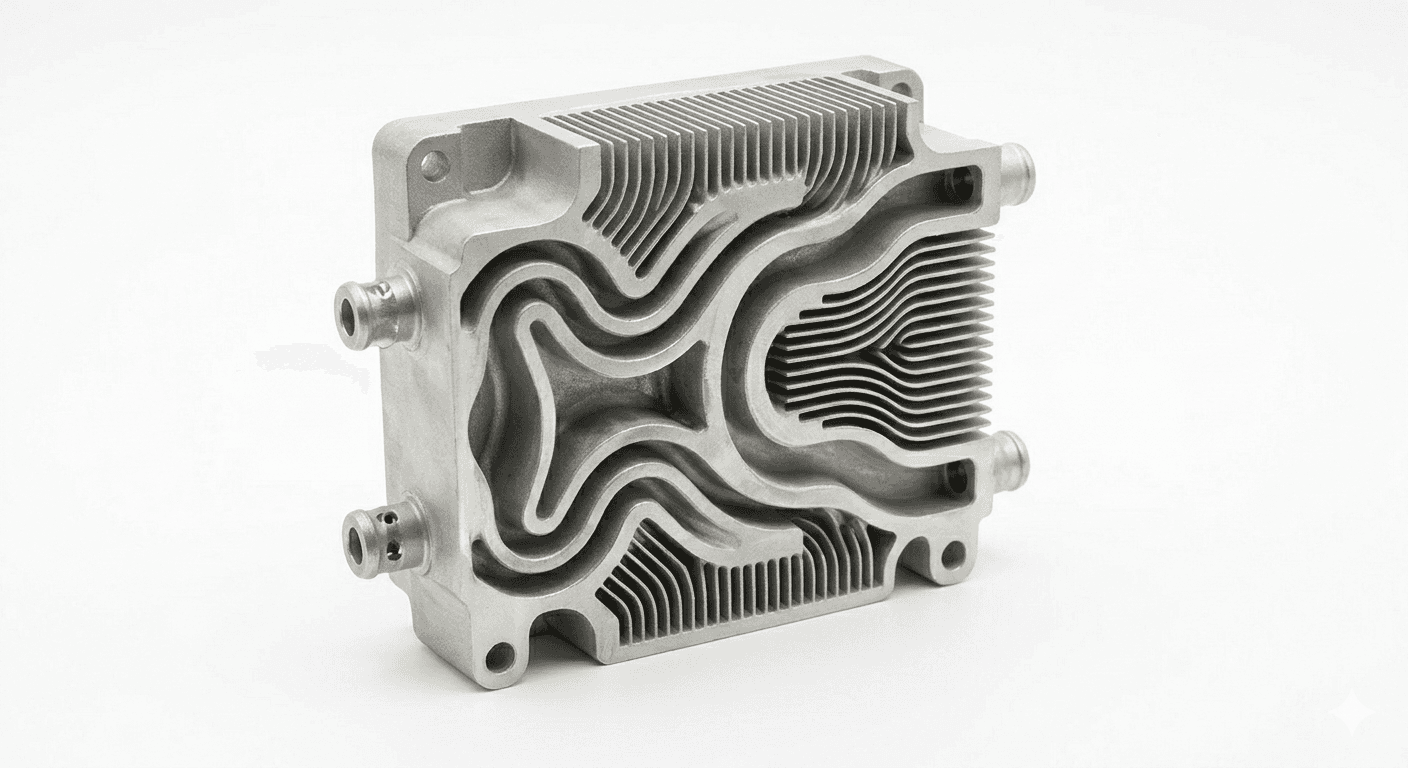
Metal 3D printing builds finished parts layer by layer from CAD data, fusing fine metal powder with a focused laser. Our system uses Selective Laser Melting (SLM) powder-bed fusion technology, suited to complex internal geometries, topology-optimised structural parts, dental and medical components, functional prototypes, and tooling inserts. Small-batch production is cost-effective without conventional tooling, and printed parts can be laser-welded to machined components for hybrid assemblies.
Compatible Materials
Extrusions
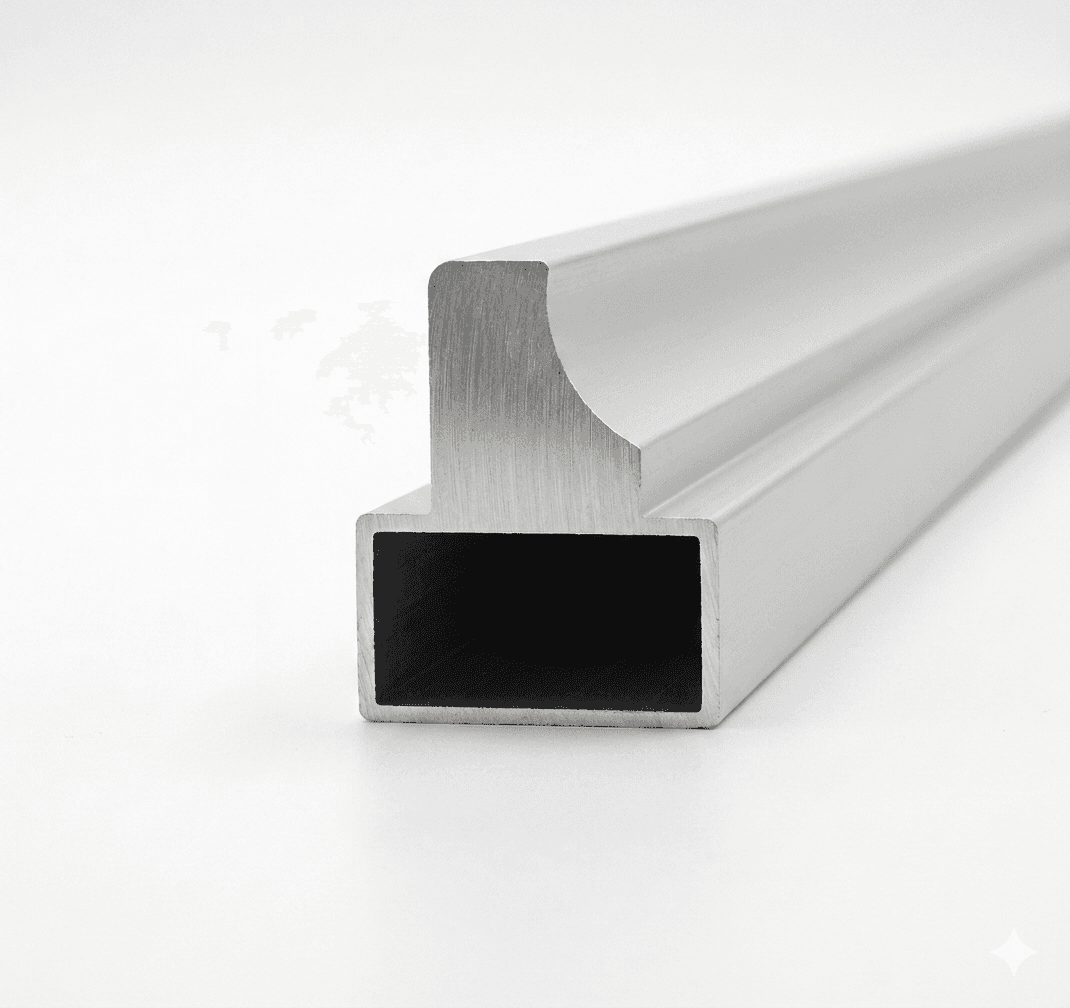
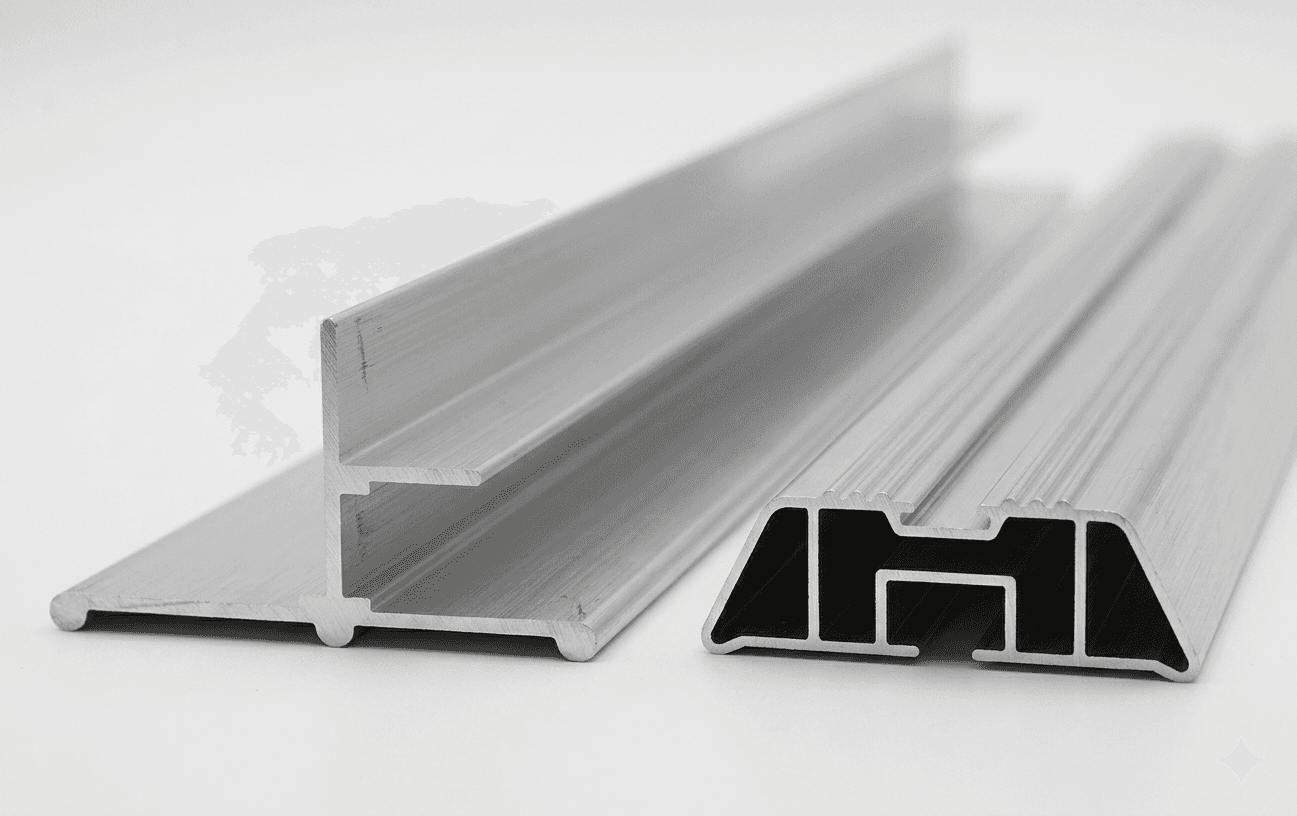
Aluminium extrusion forces heated billet through a shaped steel die to produce continuous profiles in standard or custom cross-sections. The process suits long structural members, framing systems, enclosures, channels, heat-dissipating profiles, and parts that integrate directly into larger assemblies. Profiles are supplied cut to length and can be machined, drilled, threaded, or surface-finished as secondary operations.
Profile Types
Solid and hollow profiles in standard sections or custom dies developed to drawing.
Aluminium Alloys
Finishing Options
Secondary Operations
Heat Treatment
Heat treatment uses controlled heating and cooling cycles to modify a material's hardness, toughness, machinability, or internal stress state. Our services fall into two groups: bulk treatments that act through the full cross-section of the part, and surface treatments that act only on the outer case.
Modifies material properties through the full cross-section. Used to set core hardness, refine grain structure, or relieve internal stresses.
Hardening & Tempering
Annealing
Stress Relief
Hardens only the outer case, leaving the core tougher and more ductile. Specified for gears, shafts, pins, and cam surfaces.
Diffusion
Induction
Industries Served
Who we work with
Our capabilities in precision machining, sheet metal fabrication, and additive manufacturing are well matched across a range of industrial sectors. Representative applications and part types are shown below.

General Engineering
Precision-machined components for pumps, gearboxes, valves, and custom mechanical assemblies. CNC milling, turning, and grinding to tolerances from ±0.01 mm.

Industrial Machinery
Structural frames, drive components, and fabricated assemblies for conveyor systems, presses, and OEM machine builds. Both sheet metal and machined parts.

Textile Machinery
Spindle housings, cam profiles, rollers, and precision shafts for spinning, weaving, and finishing equipment. Deep roots in South India's established textile machinery cluster.

Automotive Parts
Engine brackets, hydraulic manifolds, suspension components, and small-batch prototype tooling. Serial quantities available with full material certification on request.
Capabilities listed reflect documented machine envelopes and process tolerances. For project enquiries, please share part drawings, material specifications, and target tolerances for a feasibility review.
Have a part to quote?
Share your drawings and requirements: we'll review for feasibility and return a full itemised quote within one business day.